Decoliving
They Had the Advantage. They Just Weren't Using It.
Industry:
Retail - Home Goods
Company Size:
15-30 employees
Engagement Length:
8 weeks
Services Delivered:
Positioning Strategy, Brand Architecture, Go-to-Market Roadmap
Decoliving
Decoliving had built something real. Reliable sourcing. A demonstration model that converted well. Interior designers who came back. And a problem that was quietly making all of it harder to sustain.
The market was moving toward price. Competitors were running promotions. Decoliving kept pace, and in doing so started to disappear into the same conversation as everyone else.
The business wasn't weak. It was unclear. And in a market where customers choose on feel, unclear and forgettable are the same thing.
The problem
Decoliving's real advantage wasn't any single feature. It was the commitment to making a difficult purchase feel certain. But that advantage wasn't connected to anything. It sat in isolation. Something the business did rather than something the business stood for.
Without a clear answer to why Decoliving over anyone else, every decision about pricing, assortment, and marketing defaulted to reaction. Responding to what competitors did instead of defining ground competitors couldn't occupy.
The assortment reflected it. Too many similar rugs that looked like depth but created noise. Missing large formats that sent serious buyers elsewhere. Pricing that moved with promotions rather than holding a line.
What we defined
One thing. Decoliving is the specialist that turns a difficult purchase into a confident one. Not the retailer competing on price. The one where you leave certain.
That's not a tagline. It's a filter. Every decision about what to stock, how to price, how to treat interior designers, where to put showrooms runs through it.
The in-home experience stopped being a feature and became the proof of the position. You don't show a rug in someone's space to close a sale. You do it because buying a rug for a specific room without seeing it there is a bad idea - and Decoliving is the brand that takes that seriously enough to build around it.
Interior designers were being managed transactionally. Treated as customers rather than distribution partners. The difference matters because a designer who trusts Decoliving recommends Decoliving, which means the next client arrives pre-sold. That relationship gets treated accordingly.
What changed
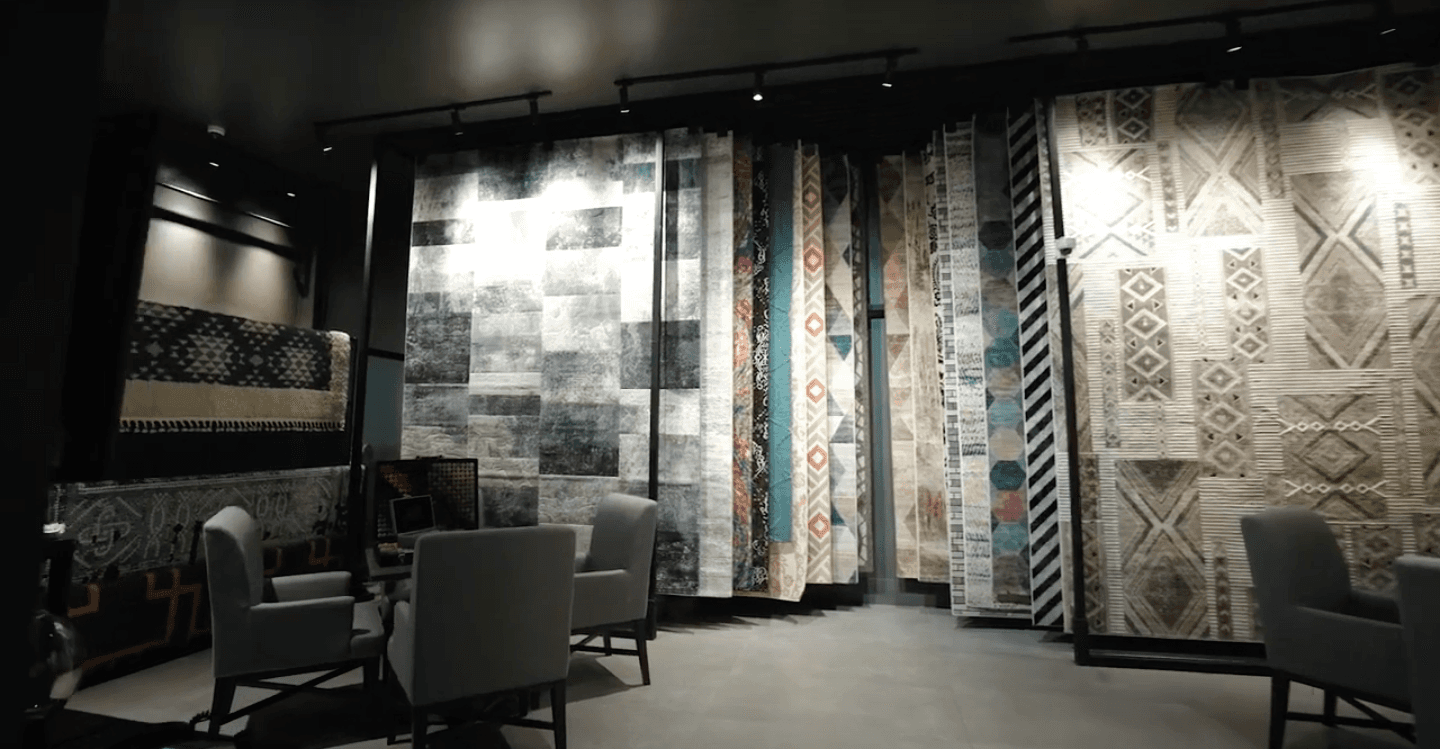
The assortment was restructured around depth where it matters - sizes, shapes, colors - with a tighter set of statement pieces and handmade rugs that anchor the range upward and give the rest of it permission to hold its price.
Pricing discipline replaced promotion logic. A consistent formula rather than adjustments that signal uncertainty to anyone paying attention.
Showroom strategy shifted toward consolidation and a destination experience rather than convenience-driven presence.
Where it lands
Leadership had clarity on what business they're actually in. Specialist, not generalist. That distinction sounds obvious once you have it. Before you have it, everything is harder than it needs to be.
The criteria for what to add, what to cut, and what to hold became clear in a way that hadn't existed before. The framework for making decisions replaced the habit of reacting to competitors.
And the in-home experience became the moat the positioning is built around - not because it's rare, but because Decoliving is the brand that owns the commitment behind it.


"We stopped reacting to what competitors were doing and focused on our own strengths."
Nikki Quesada
General Manager, Decoliving